Rusty Vintage Papers Vol. 4: A Designer's Textured Toolkit
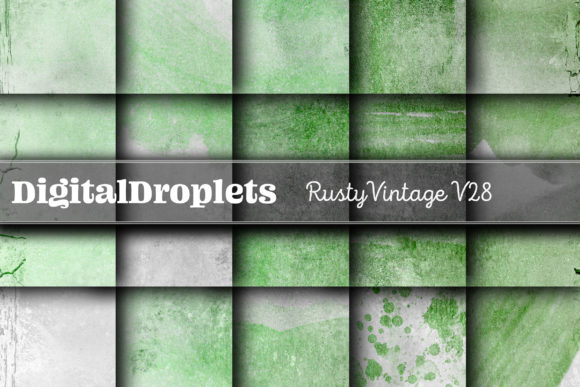
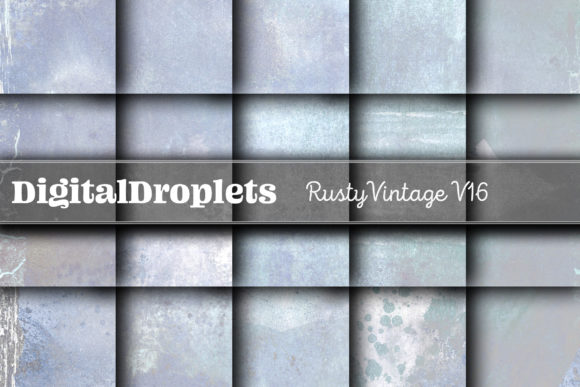
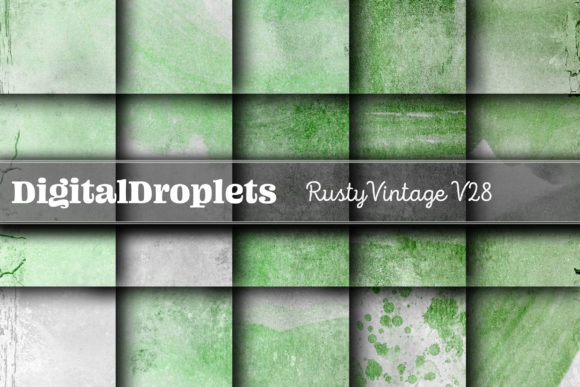
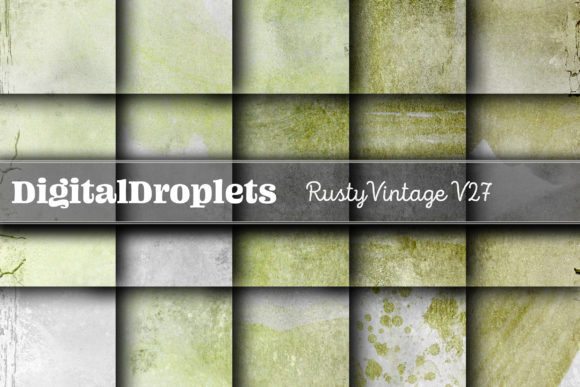
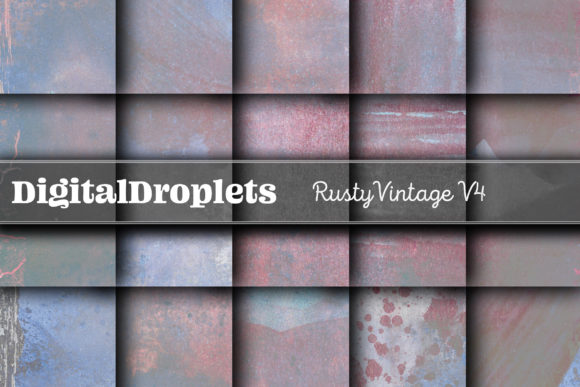
Every creative professional understands the power of a foundational texture. The Rusty Vintage Papers Vol. 4 | Collection offers precisely that—a versatile set of 10 high-resolution, 12x12 backgrounds that blend grungy character with sophisticated design potential. This isn't just a paper set; it's a resource for adding instant depth, narrative, and tactile quality to a wide array of projects, moving beyond flat digital aesthetics to create something with genuine visual interest.
Understanding the Asset: More Than Just Backgrounds
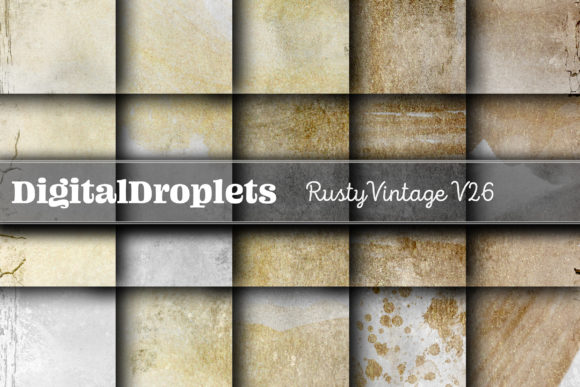
At its core, this collection features brush stroke textures seamlessly integrated over old paper foundations. Each of the ten papers includes a unique border, subtly blended with wood or stone-like textures, offering varied levels of prominence. This thoughtful detail provides built-in framing options and organic edges, eliminating the need for additional masking work. For designers focused on brand identity or editorial design, these papers serve as a cohesive yet diverse library, enabling the creation of a consistent visual language across multiple touchpoints.
Practical Applications Across Design Disciplines
The true value of a resource like this lies in its application. Here’s how it can elevate specific areas of your work:
- Branding & Logo Design: Use these textures as subtle backgrounds for brand presentations, mood boards, or even within logo lockups for brands seeking an artisanal, heritage, or rustic identity. They add a layer of authenticity that flat colors cannot.
- Marketing & Social Media Graphics: Create standout Instagram stories, Facebook ads, or email headers. The textured backgrounds draw the eye, improve visual hierarchy, and make text overlays pop, enhancing user engagement and message retention.
- Editorial & Web Design: Ideal for website hero sections, blog post featured images, or digital magazine layouts. They contribute to a modern aesthetic that balances digital clarity with handcrafted warmth, improving the overall user experience (UX).
- Packaging & Product Design: Apply these as backgrounds for labels, hang tags, or digital product mockups. The vintage vibe communicates quality, craftsmanship, and story—key factors in packaging design and visual communication.
- Creative Projects: From scrapbooking and junk journals to invitations and planner stickers, these papers provide a ready-made foundation that sparks inspiration and streamlines the design workflow.
Integrating Textures Effectively into Your Design Workflow
Simply downloading a texture isn't enough; strategic use is key. When incorporating the Rusty Vintage Papers Vol. 4 | Collection, consider these professional tips:
- Maintain Visual Hierarchy: Use the more subtly textured papers as backgrounds to ensure readability for body copy. Reserve the more intensely grungy or bordered papers for focal points like headers or hero images.
- Harmonize with Your Color Palette: The muted, earthy tones of vintage papers pair well with desaturated color schemes. Use your brand's accent colors for typography and graphics to create a balanced, professional presentation.
- Test for Scalability: While the 300dpi JPEGs are print-ready, always test textures at the final output size. A texture that looks perfect on screen may need subtle adjustments in opacity or contrast for print design to avoid muddiness.
- Layer for Depth: Combine these papers with other design elements. Overlaying a semi-transparent shape, a clean typographic lockup, or a crisp photograph against the textured background creates dynamic composition and reinforces modern aesthetics.
Ultimately, the choice of creative assets profoundly impacts the efficacy of visual communication. Resources like the Rusty Vintage Papers collection empower designers to tell richer stories, establish more resonant brand identities, and produce work that feels both intentional and engaging. By thoughtfully selecting and skillfully integrating such elements, you transform a simple design into a memorable experience, proving that the right texture is often the unsung hero of exceptional design.