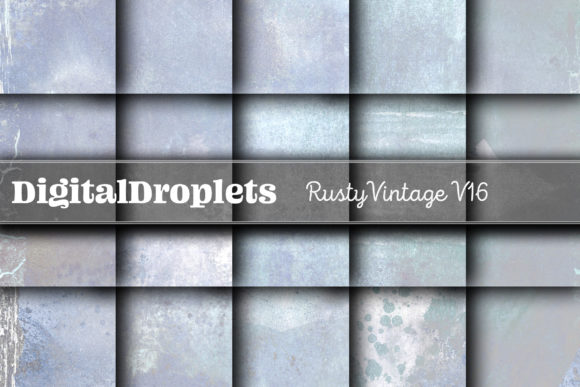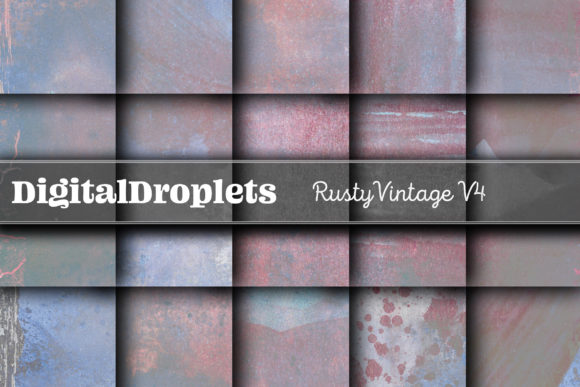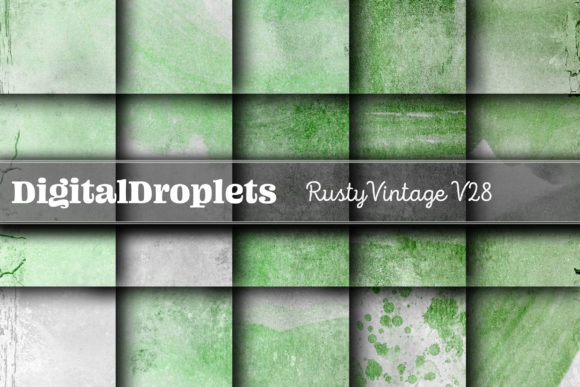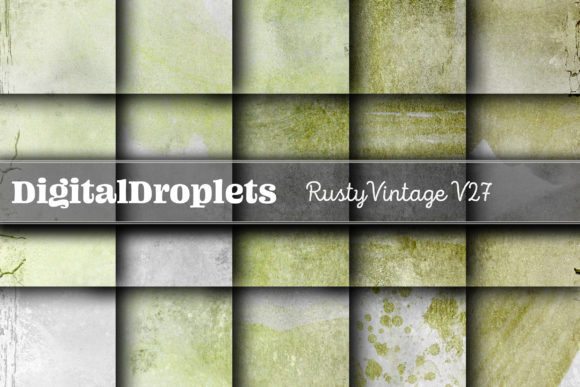
Rusty Vintage Papers Vol. 28: A Designer's Textured Toolkit
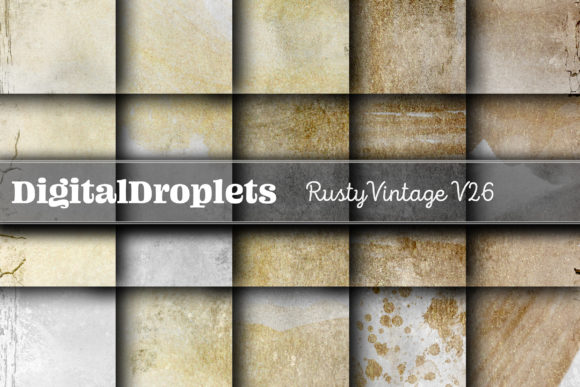
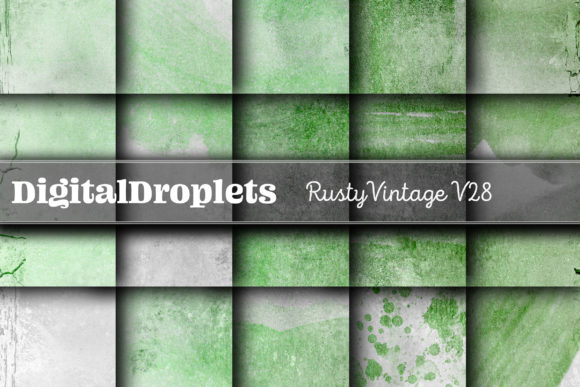
The right background can transform a flat digital design into a tactile story. For designers seeking to inject authentic, weathered character into their projects, the Rusty Vintage Papers Vol.28 | Collection offers a versatile foundation. This curated set of ten 12x12 inch papers provides high-resolution, grungy textures blended with brush strokes and unique wood or stone-like borders, creating an immediate sense of history and depth. Moving beyond generic digital aesthetics, these assets bridge the gap between modern design needs and the timeless appeal of vintage artistry.
The Role of Authentic Texture in Modern Visual Design
In an era dominated by clean, minimalist interfaces, strategic use of texture can create powerful focal points and emotional resonance. The papers in this collection are not mere backgrounds; they are compositional elements that support visual hierarchy and brand storytelling. The subtle imperfections and varied border treatments—some more pronounced than others—allow for nuanced layering, enabling designers to build complexity without overwhelming the primary content. This approach is crucial for creating designs that feel human, approachable, and rich with narrative.
Practical Applications Across Creative Projects
The utility of the Rusty Vintage Papers Vol. 28 | Collection extends far beyond traditional scrapbooking. Its professional-grade, 300dpi files are engineered for a wide array of design contexts where a vintage or rustic aesthetic is desired.
- Brand Identity & Logo Design: Use these textures as backgrounds for logo presentations, business cards, or letterheads to convey heritage, craftsmanship, or a handcrafted ethos. They can strengthen a brand's visual identity by adding a layer of tactile authenticity.
- Marketing & Social Media Graphics: Create scroll-stopping social media posts, Facebook covers, or Instagram stories. The textured backgrounds make text overlays and product photos stand out, enhancing engagement and visual impact in crowded feeds.
- Editorial & Web Design: Ideal for website hero sections, blog post featured images, or digital magazine layouts. They add depth and character to editorial design, guiding the reader's eye and breaking the monotony of solid color fields.
- Packaging & Merchandise: Design product labels, tags, or box interiors with a vintage feel. These textures can elevate packaging design, making a product feel more premium and thoughtful on the shelf.
- Digital Products & Printables: Serve as foundational elements for creating printable planner stickers, journal cards, invitations, and wall art. The consistent 12x12 size ensures seamless integration into digital product workflows.
Tips for Effective Integration into Your Design Workflow
To maximize the impact of these creative assets, consider the following professional guidelines:
- Match Texture to Tone: Ensure the grungy, vintage aesthetic aligns with your project's message. It works exceptionally well for themes of nostalgia, artisan quality, or rustic elegance but may clash with ultra-modern or corporate minimalist styles.
- Layer with Purpose: Use these papers as base layers. Apply blend modes (like Multiply or Overlay) in your design software to integrate them seamlessly with other graphic elements, typography, and color palettes. This creates a cohesive, integrated look rather than a pasted-on effect.
- Consider Readability: When overlaying text, ensure sufficient contrast. Use a semi-transparent solid shape or a subtle text shadow to guarantee legibility against the detailed, textured background.
- Explore Variations: The collection notes that the listing shows a sample from a larger 20-paper set. This hints at the potential for creating a cohesive yet varied series across a single project, such as different sections of a report or a multi-page social media campaign.
Thoughtful selection of design assets is a cornerstone of professional visual communication. By choosing resources like the Rusty Vintage Papers Vol.28 | Collection, designers invest in more than just a background; they acquire a tool for building atmosphere, reinforcing brand narrative, and creating memorable visual experiences. Quality creative assets streamline the design workflow, elevate the final presentation, and ultimately help bridge the gap between a good idea and a polished, impactful design that resonates with its audience.