Rusty Vintage Papers Vol.26: Textured Design Assets
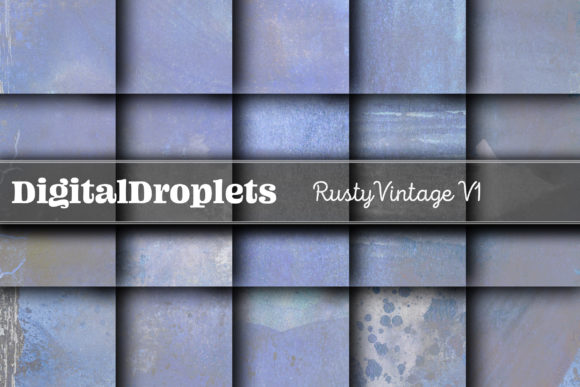
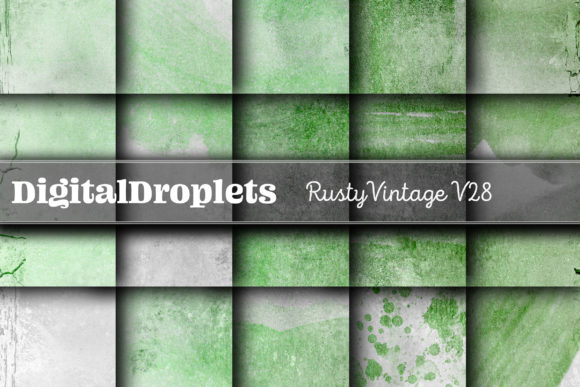
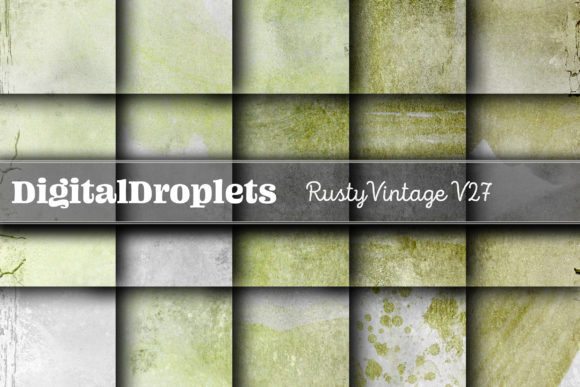
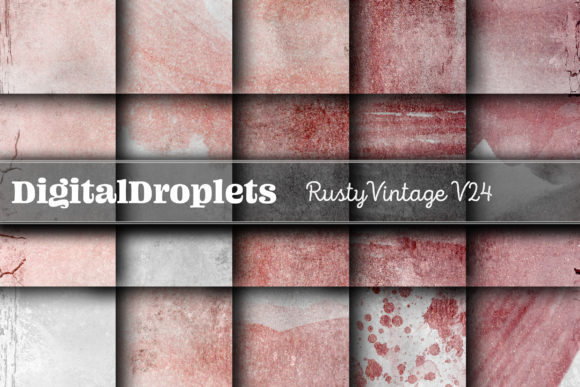
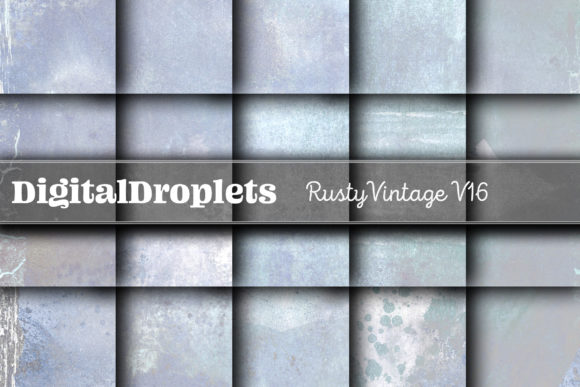
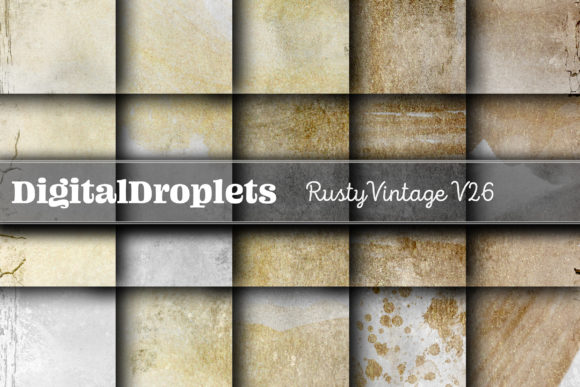
In a digital landscape saturated with clean vectors and flat colors, the tactile, layered depth of the Rusty Vintage Papers Vol.26 | Collection offers a compelling counterpoint, grounding modern projects in a sense of history and authenticity. This curated set of ten 12x12 digital papers provides graphic designers, marketers, and creative professionals with a versatile toolkit for adding immediate visual interest and narrative depth to a wide array of applications. Each paper is a unique composition, blending brush stroke textures over aged paper foundations, with distinctive wood or stone-like borders that vary in subtlety, ensuring no two backgrounds feel identical.
Strategic Applications in Visual Communication
Understanding how to leverage these textured assets is key to enhancing your design workflow and achieving professional results. Their grungy, vintage aesthetic isn't just decorative; it communicates specific brand values and emotional tones, making it a powerful tool for visual storytelling.
Strengthening Brand Identity & Packaging
For brands aiming to convey heritage, craftsmanship, or artisanal quality, integrating these papers into logo presentations, business cards, or product packaging design can create a profound connection with the audience. The textures provide a rich backdrop that makes typographic elements and clean logos pop, establishing a strong visual hierarchy. In packaging design, these backgrounds can suggest eco-friendly materials or handcrafted origins, adding a layer of perceived value and authenticity that modern consumers appreciate.
Elevating Marketing and Editorial Content
Marketers and content creators can use these papers to break through the noise on social media. A textured background instantly makes a quote graphic, promotional announcement, or Instagram post stand out in a feed dominated by sterile imagery. For editorial design, such as magazine layouts or blog features, they serve as perfect foundational layers for photo albums, mood boards, or sidebar elements, adding warmth and context without overwhelming the primary content. The included high-resolution JPEGs ensure crispness even in large-scale print applications like posters or event invitations.
Practical Integration and Design Principles
Maximizing the impact of the Rusty Vintage Papers Vol. 26 | Collection 12x12 Paper Set involves more than simply placing a background. Thoughtful application considers color palette, typography, and overall composition.
- Typography Pairing: These textured backgrounds pair exceptionally well with clean, modern sans-serifs for contrast, or with classic serif fonts for a cohesive, nostalgic feel. Ensure text remains readable by using solid color overlays or choosing papers with less busy areas for text placement.
- Layering and Composition: Use blend modes like Multiply or Overlay in your design software to seamlessly integrate the textures with other elements. The unique borders can be creatively used to frame key visuals or isolate content blocks.
- Consistency Across Projects: When building a brand system, select papers from the set that share a similar tone or texture density. This maintains a unified look across your website UI design, social media graphics, and printed collateral, reinforcing brand recognition.
Ensuring Scalability and Professional Polish
Always consider the end use. For digital projects like web backgrounds or UI elements, optimize file sizes for faster loading while preserving the texture's character. For print, the 300dpi resolution is ideal. Remember that the most effective designs balance texture with space; allow the vintage papers to enhance your message, not compete with it. This thoughtful approach to using creative assets is what separates good design from great, user-centered communication.
Ultimately, resources like the Rusty Vintage Papers collection empower designers to infuse projects with personality and depth. By strategically incorporating such high-quality elements, you can transform standard layouts into engaging visual experiences, strengthen brand narratives, and deliver work that resonates on a more human, tactile level—proving that in our digital age, a touch of the vintage remains a timeless design strategy.