Laced Vintage Boards Vol. 7: Timeless Textures for Design
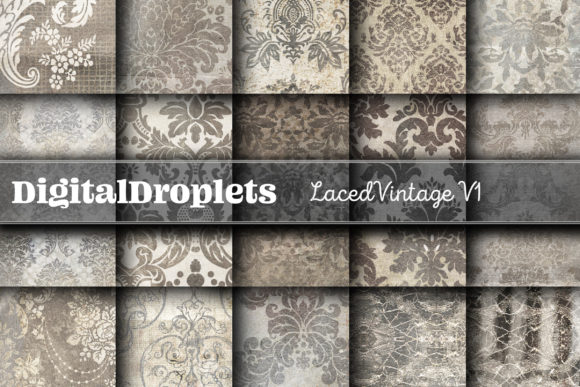
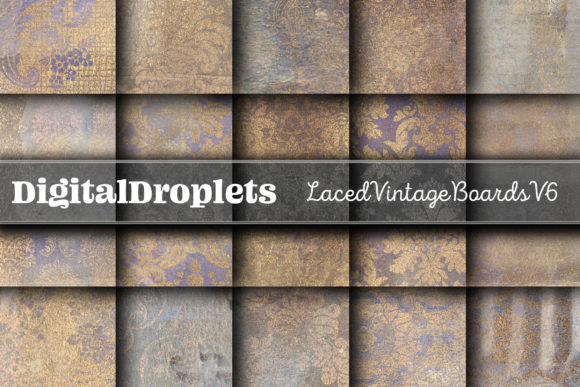
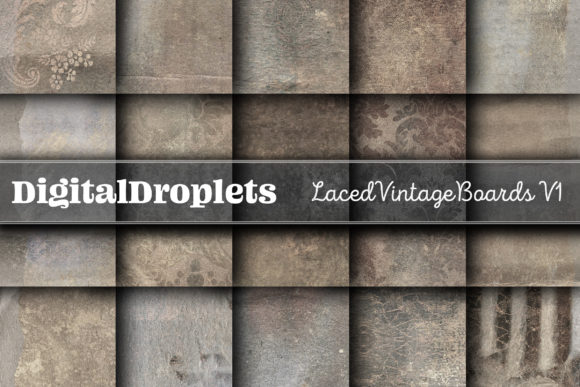
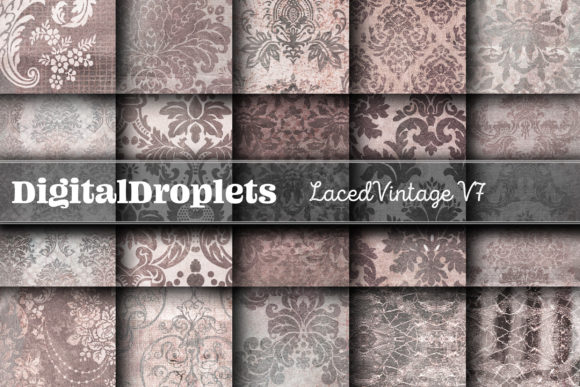
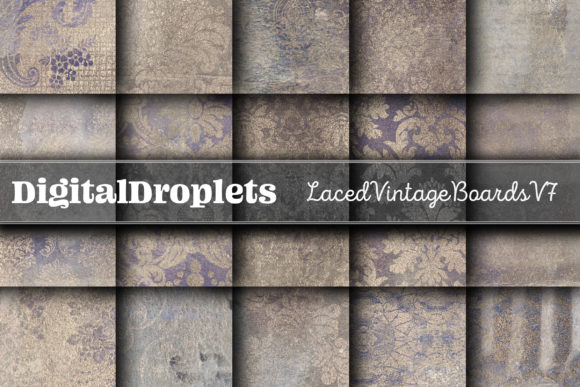
Discover how the Laced Vintage Boards Vol. 7 | Collection provides a foundational resource for creating designs with depth, character, and a sophisticated historical aesthetic. This curated set of 10 high-resolution, 12×12 300dpi papers features intricate lace and damask patterns overlaid on textured cardboard backgrounds. Each page is unique, offering a versatile toolkit for designers seeking to evoke nostalgia, elegance, and tactile authenticity in their digital and print projects.
The Role of Textured Backgrounds in Modern Graphic Design
In an era dominated by sleek, flat design, incorporating textured elements like those found in the Laced Vintage Boards Vol. 7 | Collection can create powerful visual contrast and emotional resonance. These assets serve as more than just decorative backgrounds; they are strategic tools for enhancing visual hierarchy, establishing mood, and improving user engagement. The subtle imperfections and organic patterns of vintage textures add a layer of realism and warmth that sterile digital surfaces often lack, making them invaluable for brands aiming to communicate heritage, craftsmanship, or artisanal quality.
Practical Applications Across Creative Fields
The utility of this 12×12 Paper Set of 10 papers extends across numerous design disciplines. Consider how these textured backgrounds can elevate your work:
- Branding & Logo Design: Use the textures as background elements in brand guidelines, on business cards, or within logo presentations to convey a sense of history and permanence. They are perfect for brands in the lifestyle, boutique, or artisanal food spaces.
- Marketing & Social Media Graphics: Create standout Instagram posts, Facebook covers, or email newsletter headers. The detailed patterns capture attention in crowded feeds and add a professional, polished feel to promotional content.
- Editorial & Print Design: Enhance magazine layouts, book covers, or poster designs. The high resolution ensures crisp print quality, making them suitable for large-format prints and detailed editorial work.
- Digital Products & Web Design: Apply these textures as website hero backgrounds, UI card elements, or digital planner stickers. They bring a unique, human touch to digital interfaces, improving aesthetic appeal without compromising functionality.
- Packaging & Merchandise: Design product labels, tags, or gift wrap that stands out on the shelf. The vintage aesthetic is ideal for packaging artisanal goods, cosmetics, or specialty foods.
Integrating Textures into Your Design Workflow
Successfully incorporating assets like the Laced Vintage Boards Vol. 7 requires thoughtful application. To maintain visual harmony and readability, consider these principles:
- Balance with Modern Elements: Pair vintage textures with clean, sans-serif typography and minimalist layouts. This contrast creates a dynamic, contemporary look that feels intentional rather than dated.
- Adjust for Readability: When using these papers as backgrounds for text, apply a subtle overlay or use a semi-transparent shape behind your copy. This ensures your message remains clear and legible while the texture enhances the overall design.
- Maintain Consistency: While each paper in the set is unique, they share a cohesive color palette and thematic style. Use multiple papers from the collection across a single project (like a social media campaign or a set of wedding invitations) to create a unified visual story.
- Explore Compositional Techniques: Use the textures in frames, washi tape strips, or as layered elements in collages. Their intricate patterns can guide the viewer's eye and create interesting focal points within your composition.
Choosing quality creative assets is a fundamental part of a professional design workflow. Resources that offer high resolution, thematic depth, and versatile application, such as this collection, streamline the creative process and ensure a premium end result. By thoughtfully selecting and implementing textures that align with your project's goals and audience expectations, you strengthen your visual communication and create more memorable, impactful designs. Ultimately, the right assets don't just decorate; they define the quality and effectiveness of your creative output.