Gilded Cardboards Vol. 8: Textured Foundations for Authentic Design
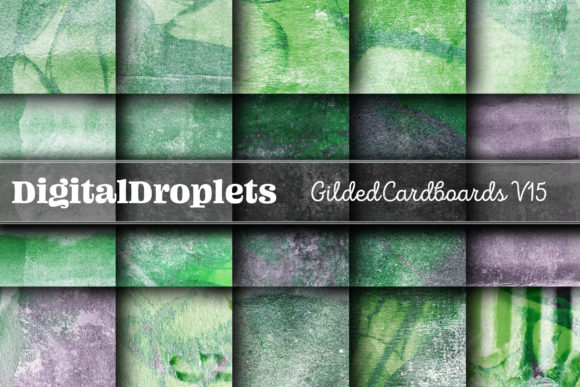
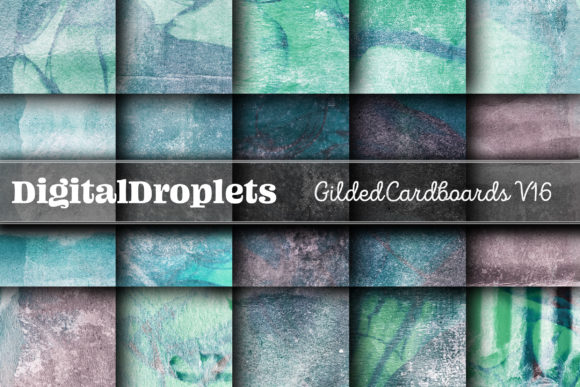
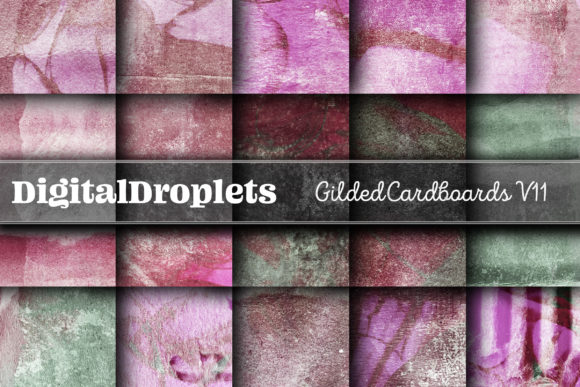
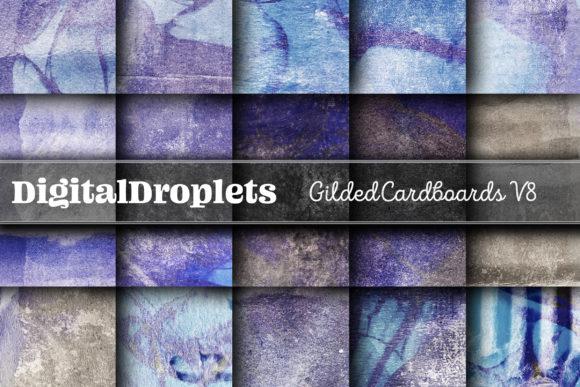
In a digital landscape often dominated by sterile perfection, the tactile authenticity of materials like cardboard and aged paper offers a powerful antidote. The Gilded Cardboards Vol. 8 | Collection provides a curated set of 12×12 paper backgrounds, meticulously blended from cardboard textures and shabby, grungy overlays. This set is not merely decorative; it's a strategic asset for designers seeking to inject warmth, history, and a handcrafted feel into their projects, establishing a distinct visual hierarchy that commands attention.
Strategic Applications in Modern Design
Understanding how to leverage such textured assets is key to effective visual communication. The unique borders and rich, distressed character of these papers make them exceptionally versatile. They serve as foundational elements that can elevate a project from generic to memorable, aligning with contemporary design trends that value authenticity and tactile digital experiences.
Core Use Cases for Professional Projects
- Branding & Identity Systems: Use these textures as backgrounds for mood boards, brand guidelines, or within logo presentations to convey a story of heritage, craftsmanship, or rustic elegance. They add depth to brand identity packages.
- Digital Marketing & Social Media: Create scroll-stopping backgrounds for Instagram posts, Facebook ads, or Pinterest graphics. The grungy, vintage aesthetic performs exceptionally well in niches like lifestyle, boutique retail, and artisanal goods.
- Editorial & Print Design: Perfect for magazine layouts, book covers, or event invitations where a vintage or junk journal feel is desired. They integrate seamlessly into scrapbook pages, photo albums, and collages.
- Packaging & Product Design: Apply these textures to mockups for labels, boxes, or tissue paper to visualize a product with a vintage, recycled, or handmade appeal, directly influencing consumer perception.
- UI/UX & Web Design: Strategically use these as background elements for specific website sections, like a blog's "About" page or a product landing page for a heritage brand, to enhance user engagement through visual storytelling.
Maximizing Impact: A Designer's Guide
Simply using a textured background is not enough. To ensure it strengthens your design goals, consider these factors from a professional graphic design perspective:
Consistency and Cohesion: When selecting from the Gilded Cardboards Vol. 8 | Collection or similar sets, ensure the chosen paper's tone and texture level align with your project's overall mood. Mixing too many conflicting textures can create visual noise, undermining readability and clarity.
Visual Hierarchy and Readability: A busy background demands careful typographic treatment. Pair these papers with clean, highly legible sans-serif fonts or bold, simple serif typefaces. Ensure sufficient contrast between your text and the textured surface. This is crucial for maintaining a professional presentation and guiding the viewer's eye.
Scalability and Integration: The 300dpi, high-resolution JPEG files are designed for both print and digital use. However, always test how a texture scales within your layout. Use these assets as a starting point; consider layering them with subtle color overlays, masks, or blending modes in software like Adobe Photoshop or Illustrator to create a unique palette that perfectly fits your brand identity or creative project's color scheme.
The thoughtful integration of quality creative assets like these textured papers is a hallmark of refined design workflow. They move a project beyond mere decoration, helping to build a tangible atmosphere and emotional connection with the audience. By choosing resources that offer both aesthetic appeal and practical utility, designers and creators can produce work that is not only visually compelling but also strategically sound, ensuring every element serves a clear communicative purpose.