Gilded Cardboards Vol. 15: Textured Design Foundations
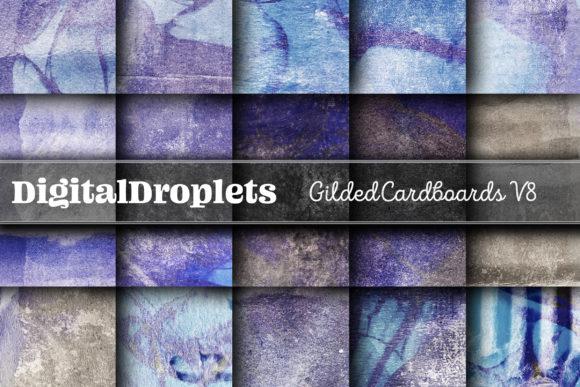
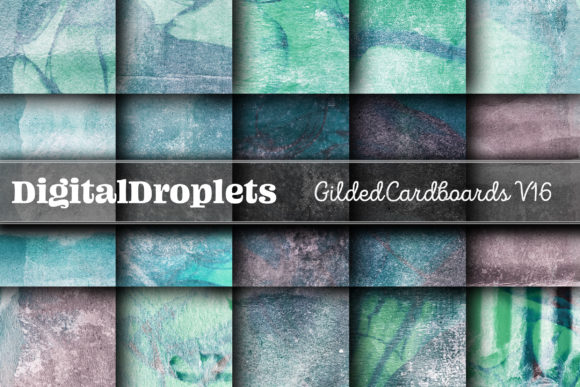
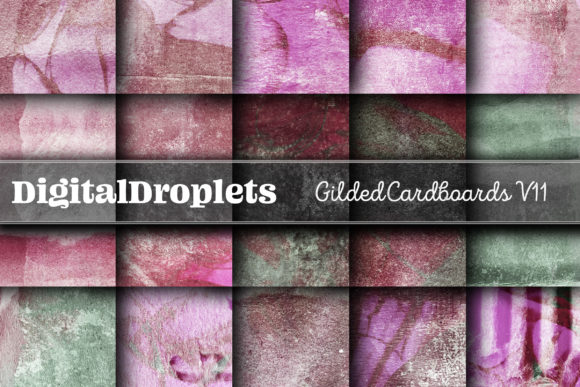
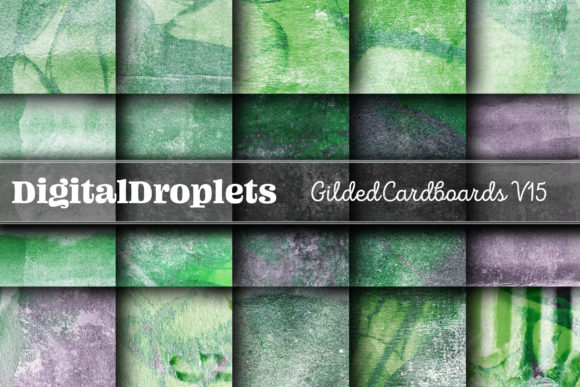
Every polished design project begins with a foundation, and the right texture can transform a flat concept into a compelling visual story. The Gilded Cardboards Vol. 15 | Collection offers precisely this—a curated set of 10 unique, high-resolution papers that blend the raw authenticity of cardboard with shabby, grungy overlays. This 12×12 paper set provides an immediate solution for designers seeking to inject warmth, depth, and a tactile quality into their work, bridging the gap between digital precision and organic, handcrafted appeal.
Understanding the Asset: More Than Just a Background
At its core, this collection is a versatile design toolkit. Each of the 10 included JPEG files features a distinct border and a rich, layered texture that mimics aged paper and distressed surfaces. This isn't merely a set of backgrounds; it's a resource for building visual hierarchy and establishing a specific mood. The grungy, vintage aesthetic is particularly effective for projects aiming to evoke nostalgia, authenticity, or a rugged, artisanal feel. In a landscape dominated by clean, minimalist design, these textures offer a powerful way to stand out and connect with audiences on a more emotional level.
Practical Applications Across Design Disciplines
The true value of a creative asset lies in its adaptability. The Gilded Cardboards Vol. 15 | Collection excels here, serving as a foundational element across numerous applications. Consider its role in strengthening brand identity for businesses that want to project a handmade, sustainable, or heritage-oriented image. When integrated into marketing materials, social media graphics, or website UI design, these textures add a layer of sophistication and storytelling that flat colors cannot achieve.
For editorial and print design, the papers are ideal for creating engaging junk journal layouts, vintage-themed scrapbooks, or impactful poster designs. In packaging design, they can inform the visual direction for labels, boxes, and wrapping, suggesting quality and craftsmanship. The high-resolution 300dpi files ensure scalability for large prints, making them suitable for photography backdrops, wall art, or event invitations where detail is paramount.
Integrating Textured Assets into Your Design Workflow
Successfully incorporating textured elements like these requires thoughtful execution to maintain professionalism and readability. Here are key considerations for designers:
- Visual Hierarchy and Contrast: Use the textured paper as a base layer for areas with less critical information. Ensure text and key graphic elements are placed on cleaner, contrasting areas within the border or through added overlay shapes to guarantee legibility.
- Brand Consistency: Align the warm, earthy tones of the cardboard textures with your existing color palette. These papers work exceptionally well with muted, vintage color schemes, cream, sepia, and deep accent colors.
- Scalability and Composition: The 12x12 inch format is perfect for square social media posts or modular design systems. Use the unique borders to frame elements or create cohesive sets of tags, cards, and inserts for a unified project.
- Mixed-Media Approach: Don't use the textures in isolation. Combine them with clean typography, vector shapes, or other photographic elements to create dynamic compositions that balance texture with clarity.
Elevating Creative Projects with Intentional Texture
Ultimately, design is about communication. The choice to use a textured background like those in the Gilded Cardboards Vol. 15 | Collection is an intentional one that communicates specific values: authenticity, timelessness, and attention to detail. Whether you're designing a logo, curating an Instagram feed, or laying out an annual report, integrating quality creative assets streamlines your workflow and elevates the final output. By selecting resources that offer both aesthetic appeal and practical versatility, you empower your projects to make a stronger, more memorable visual impact.