Vintage Style Papers Vol. 2 | Collection: A Designer's Texture Toolkit
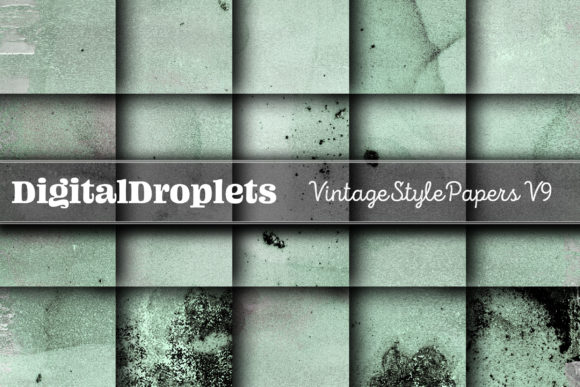
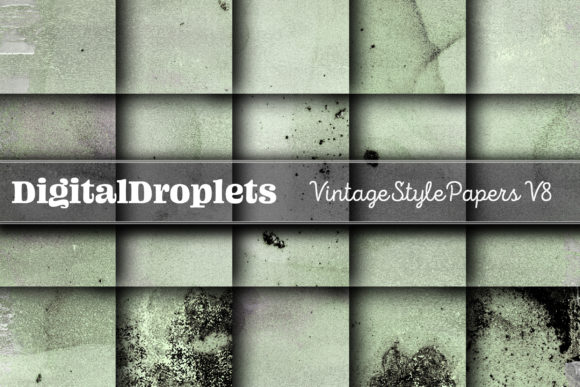
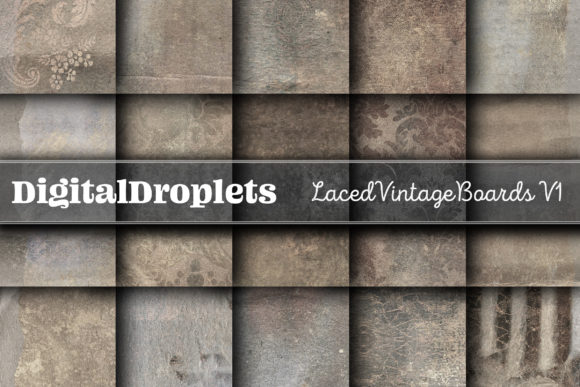
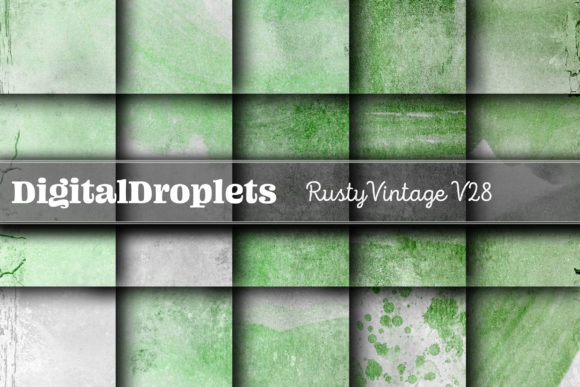
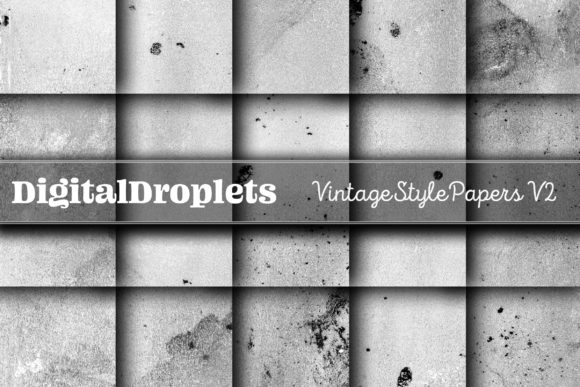
Every graphic designer knows that a compelling texture can transform a flat digital design into a tactile, emotional experience. The Vintage Style Papers Vol. 2 | Collection offers exactly that—a curated set of 10 high-resolution 12x12 inch backgrounds that blend swirly watercolor aesthetics with grungy, imperfect paper surfaces. These aren't just decorative elements; they're foundational tools for building authentic visual narratives in an era where authenticity drives engagement.
Why Texture Matters in Modern Visual Design
In digital-first environments, tactile qualities create subconscious connections. A well-chosen texture adds depth to branding, supports visual hierarchy, and makes layouts feel intentionally crafted rather than generated. The papers in this collection—with their unique grunge patterns and subtle border hints—provide that crucial layer of human touch that sterile digital surfaces often lack. They bridge the gap between historical charm and contemporary design needs, making them versatile assets across multiple creative disciplines.
Practical Applications Across Design Projects
The true value of any creative asset lies in its adaptability. This paper set excels in scenarios where vintage or medieval themes need to feel authentic rather than clichéd:
- Brand Identity Systems: Use these textures as backgrounds for logo presentations, business cards, or brand guidelines to establish a heritage-inspired aesthetic that tells a story.
- Editorial and Packaging Design: The 300dpi resolution ensures crisp results for print projects like book covers, product packaging, or invitation suites where paper texture enhances perceived quality.
- Digital Marketing and Social Media: Create scroll-stopping backgrounds for Instagram carousels, Facebook ads, or Pinterest graphics that stand out in algorithm-driven feeds.
- Web and UI Design: Apply subtle texture overlays to hero sections, footer backgrounds, or card elements to add warmth without compromising readability.
- Content Creation: Perfect for blog headers, podcast artwork, YouTube thumbnails, or as backdrops for product photography that needs a nostalgic feel.
Integrating Texture with Other Design Elements
When working with textured backgrounds, consider how they interact with your typography and color palette. The muted, earthy tones in these vintage papers pair beautifully with serif typefaces and limited color schemes. For readability, ensure sufficient contrast between text and the textured surface—sometimes a semi-transparent overlay or a strategically placed solid panel helps maintain visual hierarchy. The key is balance: the texture should support your message, not overwhelm it.
Tips for Effective Implementation
- Scale with Purpose: Use full sheets for backgrounds or crop smaller sections for washi tape strips, tags, or decorative elements within your layout.
- Layer Thoughtfully: Combine multiple papers from the set to create depth, or blend them with solid colors from your brand palette for cohesion.
- Maintain Consistency: When using these papers across a campaign or brand system, establish rules for which textures apply to which contexts to ensure a unified visual language.
- Test at Scale: Always preview designs at actual size, especially for print projects, to ensure texture details enhance rather than distract at viewing distance.
The Vintage Style Papers Vol. 2 | Collection represents more than decorative filler—it's a strategic design resource that adds narrative depth and tactile authenticity to visual communication. In a landscape saturated with generic digital assets, these thoughtfully crafted textures help designers create work that feels human, intentional, and memorable. Whether you're developing a complete brand identity, crafting social media content, or designing print materials, investing in quality creative assets like these pays dividends in both aesthetic impact and professional credibility.