Vintage Style Papers Vol. 11: Elevate Your Design Projects
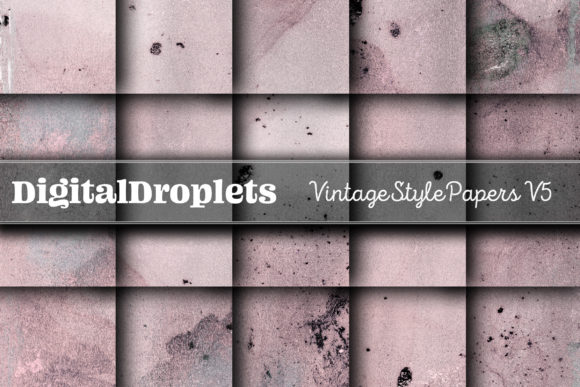
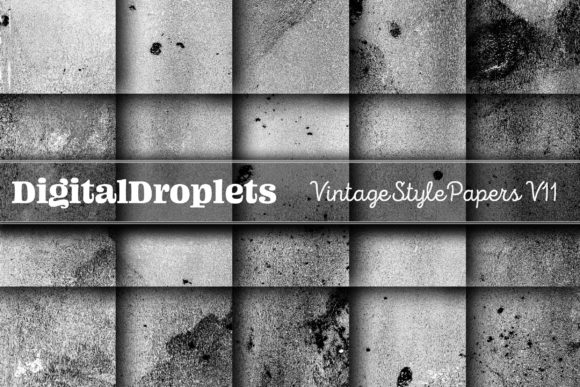
Infusing a project with authentic texture and character is a powerful way to connect with an audience on an emotional level. The Vintage Style Papers Vol.11 | Collection offers a sophisticated solution for designers seeking to add depth, history, and a tactile quality to their digital and print work. This curated set of 12x12, 300dpi backgrounds provides a foundation for creating compelling visual narratives that stand out in a saturated market.
The Power of Texture in Modern Design
In an era dominated by clean vectors and flat design, strategically incorporating textured elements like those in the Vintage Style Papers Vol. 11 | Collection can create striking visual hierarchy and emotional resonance. These aren't just backgrounds; they are design tools. The swirly watercolor blends and grungy imperfections add a layer of authenticity and handmade appeal that can soften digital sterility. This approach is particularly effective in branding and logo design, where a unique texture can become a core part of a brand's visual identity, making logos and assets more memorable and distinctive.
Practical Applications Across Creative Disciplines
The versatility of a high-quality paper set extends far beyond traditional scrapbooking. Consider these applications for integrating this collection into your professional workflow:
- Brand Identity & Marketing: Use the papers as textured backgrounds for business cards, letterheads, and brochure layouts. They provide a rich canvas that enhances typography and makes printed marketing materials feel premium and substantial.
- Digital Marketing & Social Media: Create eye-catching social media graphics, Instagram story templates, and Facebook ad visuals. The vintage aesthetic can evoke nostalgia, craft, and quality, helping posts stand out in a feed.
- Web & UI Design: Apply subtle textures to website hero sections, blog post headers, or as part of a UI kit for apps targeting creative, artisanal, or heritage markets. This adds warmth and personality to user interfaces.
- Editorial & Packaging Design: Designers can use these backgrounds for book covers, magazine layouts, or product packaging. A textured paper effect can communicate product origins, craftsmanship, or a vintage-inspired theme effectively.
- Presentations & Proposals: Move beyond default slide templates. Using a subtle, grungy paper background for a pitch deck or presentation can make your content more engaging and visually cohesive.
Integrating Textures: A Designer's Guide
To leverage assets like the Vintage Style Papers Vol.11 | Collection effectively, consider these professional tips:
- Context is Key: Match the texture's mood to your project's message. The grungy imperfections work well for themes of history, craftsmanship, or adventure, but might not suit a sleek, futuristic tech brand.
- Layer with Purpose: Use blend modes (Multiply, Overlay, Soft Light) in design software to integrate papers seamlessly. Layer textures over solid colors or photographs to create unique, composite backgrounds.
- Maintain Readability: When placing text over textured backgrounds, ensure sufficient contrast. Often, adding a semi-transparent solid shape or a subtle gradient overlay behind your typography will preserve legibility.
- Scale for Impact: Use the full 12x12 paper for large-scale projects like posters or backdrops. For smaller elements like tags or washi tape strips, zoom into a specific area of the texture to create variety from a single asset.
Ultimately, the most impactful design choices are those that are both intentional and aligned with project goals. Investing in a versatile and professionally crafted asset library, including thematic sets like this one, streamlines the creative process and elevates the final output. Thoughtful selection of textures and backgrounds is not merely decorative; it is a fundamental component of effective visual communication, helping to tell a clearer story and forge a stronger connection with your intended audience.