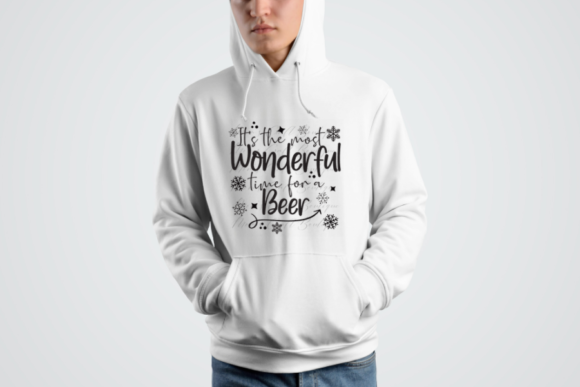
Celebrate the Season with "It's the Most Wonderful Time for a Beer"
As the festive season approaches, a clever, thematic design can instantly connect with an audience. The phrase "It's the Most Wonderful Time for a Beer" perfectly captures this sentiment, blending holiday cheer with a casual, social vibe. It’s more than just a catchy slogan; it’s a versatile design concept with significant visual and communicative power.
The Role of Thematic Design in Visual Communication
In modern graphic design, creating an emotional connection is paramount. A well-crafted thematic asset like this one acts as a visual shorthand, conveying a specific mood, season, or cultural moment instantly. For brands, especially those in the hospitality, food and beverage, or lifestyle sectors, such designs are invaluable. They strengthen brand identity by aligning the company with positive, shared experiences, making marketing materials feel timely and relatable.
Practical Applications for Creators and Brands
The utility of a high-quality, thematic design file extends across numerous creative projects. Its effectiveness lies in its adaptability and the professionalism it brings to a final product. Consider these practical applications:
- Marketing and Social Media Graphics: Create engaging posts, event promotions, and holiday sale announcements that stop the scroll.
- Packaging and Merchandise: Design labels, apparel, or glassware for seasonal products, turning a simple item into a festive collectible.
- Website and UI Elements: Use as a hero image, banner, or icon set to update a website’s aesthetic for the holiday season, enhancing user experience.
- Editorial and Print Design: Incorporate into newsletters, invitations, or posters for a cohesive and professional presentation.
When selecting a design asset, evaluate its scalability and file integrity. A vector-based SVG file, for instance, ensures your design remains crisp whether scaled for a small social media icon or a large banner. This is where quality matters—optimization for cutting machines like Cricut or Silhouette is a hallmark of a well-prepared file, saving valuable time in the production workflow.
Choosing and Using Design Assets Effectively
Integrating a pre-designed element into a larger project requires thoughtful consideration. To maintain a polished and professional result, focus on these key factors:
- Consistency and Brand Alignment: Ensure the design’s style, color palette, and typography complement your existing brand system. A playful, hand-lettered phrase works for a casual brewery but might clash with a luxury brand’s minimalist aesthetic.
- Visual Hierarchy and Readability: The design should serve its purpose within the composition. Is it the main focal point or a supporting element? Ensure text remains legible and the visual hierarchy guides the viewer’s eye effectively.
- Technical Compatibility: Verify the file formats (SVG, PNG, DXF, EPS) are compatible with your software and intended use, whether for digital web design, high-resolution print, or physical cutting projects.
Thoughtful design choices are what separate amateur work from professional communication. Investing in high-quality, versatile creative assets is an investment in clarity, engagement, and brand perception. By choosing resources that are both visually compelling and technically sound, creators and businesses can efficiently produce work that resonates deeply with their audience, turning a simple design into a memorable experience.